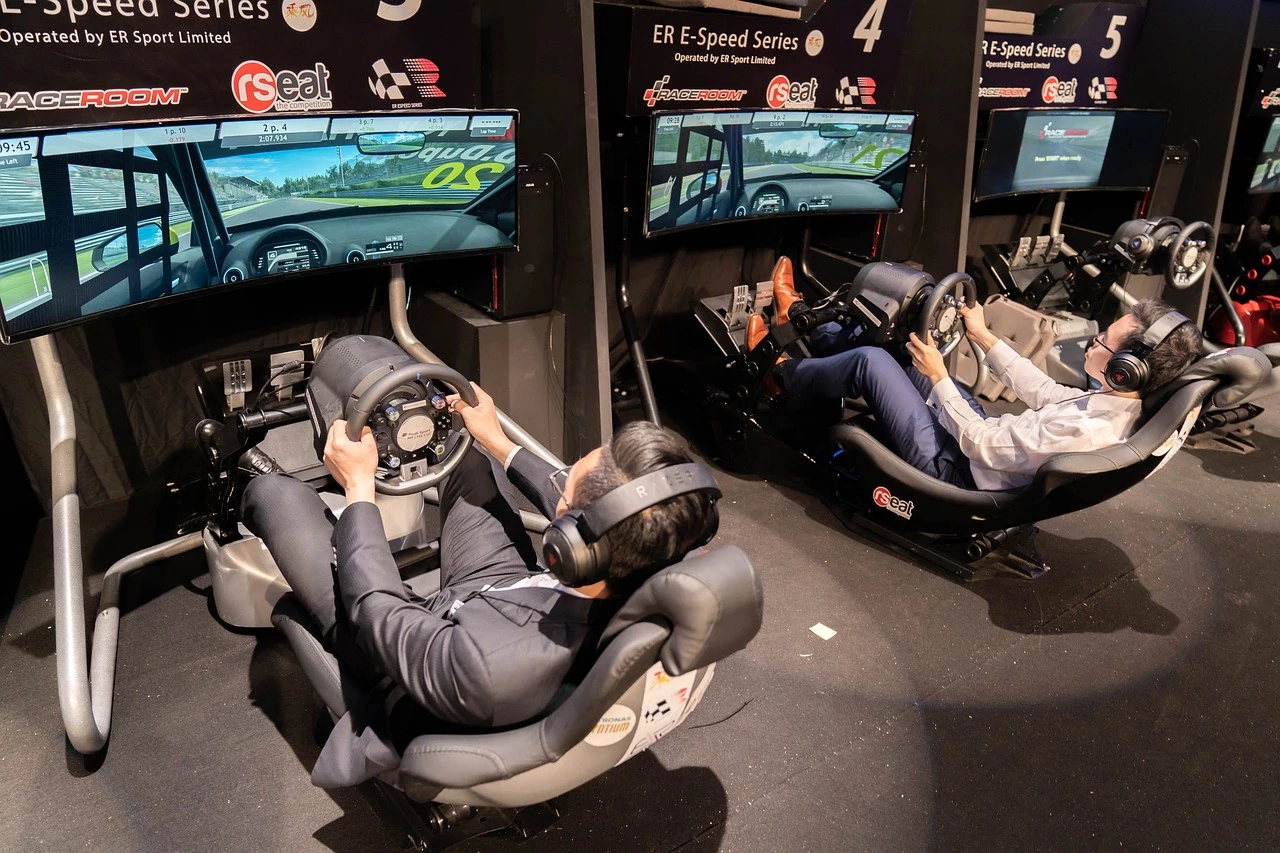
The Esports World Cup is already under way, but its most demanding stretch still lies ahead. Running from 6 July to 23 August, the event brings together multiple games, large prize pools and teams competing for more than a single tournament result.
That format changes the pressure. A club can have an excellent week in one game and still lose ground if it has no presence elsewhere. Players are competing for individual titles, but organisations are also judged on the strength of their wider roster, their preparation and their ability to keep performing across seven weeks.
For viewers who enjoy moving between different types of digital entertainment, online slots might sit alongside gaming as another quick option. The Esports World Cup asks for the opposite kind of attention. Its club competition rewards teams that can build results over time rather than rely on one brief standout performance.
The event’s official schedule lists competitions across seven weeks, ending in late August. That gives esports fans a long run of matches to follow, but it also puts demands on the clubs involved.
Most esports events focus on one title. A team enters a tournament, plays its matches and either wins, loses or progresses. The Esports World Cup adds another layer by giving organisations a reason to care about their results across several games.
A club with strong players in one title may take an early lead. That advantage can disappear quickly if rival organisations collect points in other competitions. The result is a tournament where teams need depth as well as star players.
This matters because esports clubs do not operate like traditional sports teams with one squad and one league. An organisation may have players competing in shooters, strategy games, fighting games, sports titles and mobile games. Each group has different schedules, training methods and competitive demands.
Success requires coordination. The club needs to know where it has the best chance of scoring points, how to support players during a long event and how to keep momentum when one roster has a disappointing result.
The Esports World Cup’s official site describes the 2026 edition as a seven-week event, and that length makes the club element more meaningful than a standard one-weekend tournament.
Esports has always produced standout players. A brilliant individual can take control of a match, make an unexpected play or turn a final through mechanical skill alone. Those moments remain important, but a multi-title event needs more from an organisation.
A club that depends on one team or one famous player can be exposed. If that roster is eliminated early, the rest of the summer can become a chase. A club with competitive squads across several games has more ways to recover.
That does not mean every organisation needs to enter every event. Trying to cover too many games can create its own problems. Players need coaching, analysts, managers and enough time to prepare properly. Signing a roster only to appear in a tournament may create headlines, but it does not guarantee performance.
The strongest clubs will have a clearer approach. They will understand which games fit their identity, where they have genuine competitive strength and how their teams can support the overall points race.
There is no single formula for esports training. A first-person shooter player needs different preparation from a fighting-game competitor. A strategy roster may spend long hours studying drafts, maps and opponents. A mobile team may focus on fast communication and decision-making under pressure.
The Esports World Cup brings those differences into the same event. That creates a challenge for clubs behind the scenes.
Coaches and support staff need to manage travel, practice schedules, sleep, food and recovery. They also need to protect players from becoming overloaded by media work, fan events and the pressure that comes with a major international competition.
The public often sees only the match. It does not see the hours of review before it, the tactical preparation or the work required to keep a player focused after a difficult loss.
In a long event, those details can become the difference between a good start and a strong finish.
A club’s success in one title can affect its other teams. When players see teammates win a final or make a deep run, it can lift the atmosphere around the organisation. It gives other rosters confidence that the work is paying off.
The opposite can happen after a poor result. If a highly rated team exits early, the pressure can move to the next roster. Players may start to feel that they are carrying the club’s hopes rather than simply preparing for their own competition.
This is where experienced leadership matters. Coaches and managers need to keep each team focused on its own task. A player competing in one game cannot fix the result of another roster. They can only prepare well and perform when their chance arrives.
The best organisations will treat the club competition as an advantage, not a burden. They will use the sense of shared purpose without allowing one result to distract everyone else.
The multi-game format also changes the experience for fans. Someone may arrive to watch one specific title, then discover another competition through their favourite club. A fan of a shooter team may begin following a fighting-game player wearing the same jersey. That can help organisations build a stronger identity across several communities.
For esports, this matters. The scene has many passionate audiences, but they are often separated by the games they follow. A larger event can create links between them without asking anyone to abandon their preferred title.
The schedule also gives fans time to follow the story. Early results shape expectations. A surprise run can make a smaller club more interesting. A leading organisation can become the target for every rival team that follows.
By the final weeks, the points table should give each match another level of meaning. A result may affect more than one trophy.
The winning club will not simply be the organisation with the biggest name or the loudest fan base. It will need players who perform under pressure, staff who manage a long event well and squads that can recover after setbacks.
That is what makes the Esports World Cup different. It is not only about crowning champions in individual games. It is about asking which clubs can compete across a wide range of titles without losing focus.
As the event moves towards its final weeks, that broader test will become clearer. The clubs that are still collecting points in August will have shown that they have built more than one successful team.


Players must be 21 years of age or older or reach the minimum age for gambling in their respective state and located in jurisdictions where online gambling is legal. Please play responsibly. Bet with your head, not over it. If you or someone you know has a gambling problem, and wants help, call or visit: (a) the Council on Compulsive Gambling of New Jersey at 1-800-Gambler or www.800gambler.org; or (b) Gamblers Anonymous at 855-2-CALL-GA or www.gamblersanonymous.org.