Esports orgs now hire physical trainers alongside their coaches and analysts. These twelve apps help any gamer build the same kind of conditioning – better focus, faster reactions, and a body that lasts past the next patch cycle.
Major esports organizations including T1, Cloud9, Team Liquid, and G2 Esports have built performance teams that go well beyond coaching staff. These teams now include physical trainers, sleep coaches, and dietitians, treating the body as competitive infrastructure. The reason is straightforward: research has linked aerobic fitness to improved reaction time, cognitive accuracy, and sustained attention – all measurable in-game performance variables.
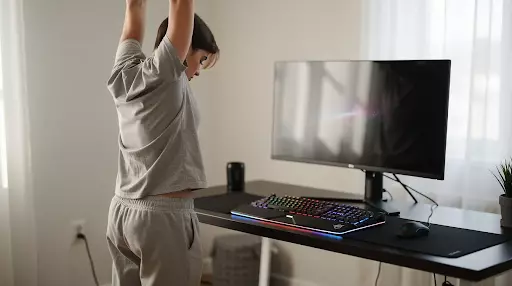
The sedentary reality of competitive gaming produces real physiological costs. Long sessions seated at a desk lead to postural changes, wrist and shoulder strain, cardiovascular deconditioning, and disrupted sleep. Multiple fitness apps cater to specific workout types like HIIT, yoga, and strength training, but not all of them fit a gamer’s life. What matters for this audience is flexible session lengths, mobility and wrist-friendly programming, recovery tracking, minimal equipment requirements, and the ability to schedule training around late-night queues or weekend tournaments.
For this guide, we evaluated apps across programming quality, personalization, session-length flexibility, mobility content, and equipment minimalism. We tested each against the daily reality of someone who plays four to eight hours a day and needs conditioning that works around that schedule, not against it. Fitness apps can replace expensive gym memberships and personal trainer costs when chosen correctly. The body is the platform you run on, and gamers can train it as deliberately as they train mechanics.
Physical conditioning affects gaming performance through three documented pathways.
Aerobic fitness and cognitive performance. A randomized controlled trial published in Frontiers in Sports and Active Living (Manci et al., 2024) placed esports athletes on an 8-week physical exercise intervention and found significant improvements in cardiovascular fitness, reaction times, cognitive accuracy, and heart rate variability. Separately, a 2016 study by Guzmán and López-García published in PubMed showed that 30 minutes of aerobic exercise improved complex reaction time in young adults compared to resting.
Mobility and injury prevention. Wrist, shoulder, and lower back issues are common in competitive gaming. Repetitive strain injuries develop over months and years of sustained play. Mobility and posture work – particularly for wrists, thoracic spine, and hip flexors – reduces the risk and severity of these injuries.
Sleep and recovery. Sleep quality directly affects reaction time and learning consolidation. A study published in PLOS ONE identified that higher physical fitness correlated with faster reaction times and improved cognitive task performance. Sleep is often the biggest performance gap between casual and elite players. Organizations like Team Liquid and Cloud9 have publicly discussed integrating sleep coaching into their performance programs for this reason.
We evaluated each app with a gamer’s schedule and physical needs in mind. The criteria included programming quality and progressive structure, session-length flexibility (apps offering 10- to 30-minute sessions scored higher), mobility and wrist-friendly content, recovery features, equipment minimalism for home and small apartment setups, and personalization depth.
We looked for apps that offer beginner-friendly options with clear movement instruction and low injury risk. We checked if each app provides progress tracking features, including strength progression, cardio metrics, and sleep or recovery data. Top fitness apps often facilitate integration with health tracking devices like Apple Watch or Google Fit, and that integration factored into our evaluation. Apps were not evaluated for specialized athletic performance in traditional sports – the focus was conditioning that supports gaming performance and overall health.
Who it suits: Gamers who want a structured, adaptive program that adjusts to an inconsistent schedule without punishing missed days.
What it does well: MadMuscles is an AI-driven fitness app that builds a personalized training plan based on a quiz covering fitness level, available equipment, goals, and schedule. MadMuscles offers 18+ workout types including strength and yoga, calisthenics, HIIT, military-style training, and even tai chi. The program adapts as the user progresses, adjusting load and intensity based on performance feedback. MadMuscles provides over 100 personalized meal recipes, and MadMuscles meal plans are tailored to individual dietary needs and dietary restrictions. Users can access expert fitness advice through the app’s video demonstrations and guided instructions for every exercise.
Fits gaming life how: The personalization handles the reality that a gamer’s schedule is rarely consistent – heavy practice blocks, tournament weekends, late-night sessions. Sessions run from 15 to 60 minutes, and the program adapts to what the user actually does rather than assuming perfect consistency. Equipment settings range from zero equipment to full home gym, adjustable at any time.
Subscription model: Subscription-based with a free trial available. Multiple plan durations offered. Premium add-ons include meal plans and specialized program bundles.
Strengths:
Considerations:
The verdict: The most adaptive all-in-one fitness app for gamers with unpredictable schedules.
Who it suits: Gamers who have access to dumbbells or a gym and want intelligent strength programming.
What it does well: Fitbod uses AI to build strength training workouts based on which muscles need recovery, what equipment is available, and the user’s training history. It tracks progressive overload automatically and adjusts future sessions based on logged performance.
Fits gaming life how: Workouts adapt to whatever equipment a user has at home, and session length is adjustable. The app does not require fixed scheduling.
Subscription model: Limited free tier with three workouts. Premium subscription at approximately $12.99 per month.
Strengths:
Considerations:
The verdict: The strongest AI strength training app for gamers who lift.
Who it suits: Budget-conscious gamers who want professional-grade workouts without a subscription.
What it does well: Nike Training Club offers over 300 workouts for free across strength, HIIT, yoga, mobility, and cardio. Multi-week programs provide structure. Instructor quality is consistently high across the library.
Fits gaming life how: Sessions range from 15 to 45 minutes. Bodyweight options work in small spaces. No subscription barrier means zero friction to start.
Subscription model: Fully free. No premium paywall on the main workout library.
Strengths:
Considerations:
The verdict: The best free fitness app for gamers, no qualifiers needed.
Who it suits: Gamers in small apartments or traveling for tournaments who want intense, equipment-free workouts.
What it does well: Freeletics delivers AI-adaptive bodyweight HIIT sessions as short as 15 to 20 minutes. HIIT programs focus on high-intensity interval training for fat loss and cardiovascular conditioning. The AI adjusts intensity based on user performance feedback each session.
Fits gaming life how: Zero equipment needed. Sessions fit between practice blocks or before a queue session. Works anywhere – hotel rooms during LANs, dorm rooms, or small home setups.
Subscription model: Limited free content. Premium subscription unlocks full AI coaching and programming.
Strengths:
Considerations:
The verdict: The fastest effective workout for gamers with no gear and no time.
Who it suits: Gamers dealing with wrist pain, shoulder tightness, neck strain, or lower back stiffness from long seated sessions.
What it does well: Down Dog generates customizable yoga and mobility sessions across multiple styles, durations, and focus areas. Sessions run from 10 to 60 minutes. The app works offline, which is useful for travel.
Fits gaming life how: A 10- to 15-minute mobility session before or after a long play session reduces stiffness and strain. The app addresses the exact body areas that gaming degrades – wrists, shoulders, hips, and thoracic spine.
Subscription model: Limited free access. Premium subscription unlocks full customization.
Strengths:
Considerations:
The verdict: The single best app for the mobility work most gamers skip.
Who it suits: Gamers who want studio-quality fitness classes without Peloton hardware.
What it does well: The Peloton app includes over 16 types of workouts – strength, cardio, yoga, meditation, stretching, and more – available live and on-demand. Live classes in fitness apps create a team-like atmosphere, and Peloton’s live schedule and leaderboard features deliver that experience. Instructor quality is among the highest in any fitness app.
Fits gaming life how: On-demand library means sessions are available at any time, including late night. Session lengths range from 5 to 60 minutes.
Subscription model: App-only subscription at approximately $12.99 per month. No Peloton hardware required for the app tier.
Strengths:
Considerations:
The verdict: The deepest fitness class library available on a phone.
Who it suits: Gamers already in the Apple ecosystem who want seamless device integration.
What it does well: Apple Fitness+ delivers guided workouts including HIIT, strength, yoga, pilates, and mindful cooldowns with real-time Apple Watch metrics displayed on screen. Production quality is high. Heart rate, calorie burn, and activity rings sync automatically.
Fits gaming life how: Sessions range from 10 to 45 minutes. The tight Apple Watch integration means workout data flows into Apple Health without manual entry.
Subscription model: Approximately $9.99 per month or $79.99 per year. Requires Apple Watch and iPhone.
Strengths:
Considerations:
The verdict: The best fitness app for gamers who already wear an Apple Watch.
Who it suits: Gamers adding outdoor cardio to break the sedentary cycle.
What it does well: Strava is the most widely used app for tracking running and cycling, with GPS route mapping, pace tracking, elevation data, and segment leaderboards. Apps like Strava foster community through activity sharing, and the social layer adds accountability.
Fits gaming life how: Run or ride whenever it fits the schedule. No class times. Active user communities in fitness apps can enhance motivation and accountability, and Strava’s segment challenges provide that competitive element gamers respond to.
Subscription model: Free tier covers basic tracking. Summit subscription adds deeper analytics and safety features.
Strengths:
Considerations:
The verdict: The cardio tracking standard for gamers who run or ride.
Who it suits: Self-directed gamers who follow their own strength program and want clean data.
What it does well: Strong is a free workout tracker for logging strength sessions with progress charts, rest timers, and exercise history. It does one thing – logging – and does it well.
Fits gaming life how: Log a session in minutes. No video content to watch. Works alongside any program, including routines from other apps or coaches.
Subscription model: Free for core features. Premium unlocks unlimited routines and additional charts.
Strengths:
Considerations:
The verdict: The best workout logger for gamers who already know what to do.
Who it suits: Gamers who want structured programs for focus, stress management, and sleep – all documented performance variables.
What it does well: Headspace offers guided meditation and mindfulness programs organized by goal: focus, sleep, stress, and general well-being. Sessions run from 3 to 20 minutes. Fitness apps often include built-in social support features, and Headspace incorporates community challenges and streaks.
Fits gaming life how: A 5-minute focus session before a ranked queue or a sleep meditation before bed fits into any schedule. Many fitness apps offer built-in social support for motivation, and Headspace’s streak system provides that gentle accountability.
Subscription model: Limited free content. Premium subscription unlocks the full library.
Strengths:
Considerations:
The verdict: The most practical mental conditioning app for competitive gamers.
Who it suits: Gamers whose sleep is the weakest link in their performance chain.
What it does well: Calm is a sleep-focused mental wellness app with guided meditations, Sleep Stories, and breathing exercises. Sleep quality strongly modulates reaction time and cognitive performance. Social media groups linked to the app encourage user engagement and shared sleep improvement challenges.
Fits gaming life how: Use a Sleep Story or breathing exercise after a late session to improve sleep onset. Sessions scale from 5 to 30 minutes.
Subscription model: Limited free content. Premium subscription at approximately $14.99 per month or $69.99 per year.
Strengths:
Considerations:
The verdict: The best app for gamers who stay up too late and feel it the next day.
Who it suits: Apple Watch users who want automatic, passive sleep tracking without manual input.
What it does well: AutoSleep automatically detects sleep and tracks quality, duration, heart rate during sleep, and consistency over time. It pairs well with Calm or Headspace for a complete sleep-improvement loop.
Fits gaming life how: Passive tracking means no extra steps. Data feeds into Apple Health automatically. See trends over weeks and correlate sleep quality with gaming performance.
Subscription model: One-time purchase (approximately $5.99). No subscription.
Strengths:
Considerations:
The verdict: The most cost-effective sleep tracker for Apple Watch gamers.
Apps provide access to a variety of workout routines, but choosing the right combination matters more than picking any single app. Consider your fitness goals when choosing an app, and choose an app that aligns with your workout preferences rather than trying to use everything at once.
How many days per week. Most gamers do best with three strength sessions and two to three short cardio or mobility sessions per week. Consistency beats volume. An 8-week block of regular training produces more benefits than sporadic high-intensity weeks.
When to schedule training around play. Short cardio or mobility sessions before long play sessions improve focus and reduce stiffness. Heavy strength training is better placed away from quality practice – not right before a tournament match.
How to handle tournament weeks. Reduce training volume in the days before and during major tournaments. Prioritize sleep and mobility. This is not the time to hit personal records in the gym.
What to prioritize. Mobility for wrists, neck, hips, and thoracic spine. Basic strength covering push, pull, squat, hinge, and core movements. Short zone 2 cardio – walking, cycling, or rowing at roughly 60 to 70 percent of maximum heart rate. And sleep, which is the foundation everything else sits on. Nutrition apps can help track calories and dietary preferences alongside workout programming. Tools like Cronometer offer barcode scanning for food tracking, and MacroFactor estimates daily calorie burn without exercise logging – useful supplements to any fitness app stack. The Sweat app features over 50 workout programs for women, making it a strong option for female gamers looking for targeted programming.
Major esports organizations have begun building performance departments that include physical trainers, dietitians, and sleep coaches alongside traditional coaching staff. Teams like T1, Cloud9, Team Liquid, FaZe Clan, TSM, and G2 Esports have publicly discussed investing in player health and physical conditioning as a competitive advantage.
The work these teams do goes beyond what any app provides. It involves individualized programming based on biometric data, in-person coaching, and nutritional plans built around tournament schedules. Apps are an excellent starting point for individual gamers, but pro-level performance training involves people, not just software. The apps in this list replicate the categories of training that performance teams use – strength, mobility, sleep, recovery – but at a self-directed level.
Free apps are genuinely sufficient for consistent, self-directed users.
Subscription-based models are common among fitness apps for monetization, and paid tiers reliably offer three things free tiers do not: personalized programming that adapts over time, progressive plan adjustment based on performance data, and structured multi-week programs with clear progression. AI-driven personalization – the kind offered by MadMuscles and Fitbod – requires the subscription tier to function fully.
Free apps like Nike Training Club and Strong provide real value for users who can self-direct. Many fitness apps offer free trials to test before subscribing, which is the practical move before committing to any premium tier. If an app does not offer a free trial, that is a reason to look at alternatives first.
Three studies are particularly relevant to gamers considering a fitness routine.
Manci et al. (2024), Frontiers in Sports and Active Living. This randomized controlled trial placed esports athletes on an 8-week physical exercise program. The intervention group showed significant improvements in cardiovascular fitness, reaction time, cognitive accuracy, and heart rate variability compared to controls. This is the most directly applicable study for competitive gamers.
Guzmán and López-García (2016), published in PubMed (Journal of Sports Science and Medicine context). Young adults (average age 21.9 years) completed 30 minutes of aerobic exercise. Complex reaction time improved significantly compared to a resting control group. The finding suggests even a single cardio session can sharpen reaction time before play.
PLOS ONE (2025), physical fitness and cognitive tasks. This study found that higher physical fitness levels correlated with faster reaction times in horizontal distance judgment and improved performance on cognitive tasks. The correlation held across fitness levels, suggesting even moderate conditioning produces cognitive benefit.
MadMuscles is the best overall fitness app for gamers in 2026. Its AI-driven personalization adapts to inconsistent schedules, requires minimal equipment, and covers strength, HIIT, yoga, and nutrition in one app. It fits the way gamers actually live and train.
Yes. Major esports organizations including T1, Cloud9, Team Liquid, and G2 Esports employ physical trainers and integrate conditioning into player schedules. Physical fitness improves reaction time, focus under fatigue, and career longevity.
Nike Training Club is the best free fitness app for gamers. It offers over 300 workouts across strength, HIIT, yoga, and mobility with no subscription required and no premium paywall on its core library.
Aerobic fitness improves reaction time and cognitive accuracy. An 8-week exercise study on esports athletes (Manci et al., 2024) documented significant improvements in reaction time and heart rate variability. Sleep and recovery further enhance learning consolidation and focus.
Three strength sessions and two to three short cardio or mobility sessions per week is a practical baseline. Consistency over weeks matters more than workout intensity or volume in any single week. Even 15 to 20 minutes per session produces measurable benefit.
AutoSleep is the best sleep tracking app for gamers who use an Apple Watch. It passively tracks sleep quality, duration, and heart rate without manual input. Pair it with Calm or Headspace for a complete sleep improvement stack.
Fitness apps with mobility and yoga content can reduce the risk of wrist, shoulder, and lower back injuries common in gaming. Down Dog and Nike Training Club both offer targeted mobility sessions. Consistent mobility work is more effective than occasional stretching.
Yoga directly addresses the mobility deficits gamers develop from long seated sessions. It improves flexibility in wrists, shoulders, hips, and thoracic spine. Down Dog is the strongest app for this purpose, with customizable sessions from 10 to 60 minutes.
MadMuscles is the best overall fitness app for gamers in 2026, combining AI-personalized strength training, nutrition planning, and schedule flexibility in one platform. Nike Training Club is the best free option for gamers who want quality content without a subscription. Calm and AutoSleep form the strongest sleep improvement combination. Down Dog is the best app for the mobility and yoga work that most gamers neglect.
The difference between top-tier and good in gaming increasingly comes down to the non-gaming hours – sleep, conditioning, and recovery. The right apps make those hours easier to manage. Physical conditioning is not separate from gaming performance. It is the foundation that reaction time, focus, and career longevity are built on. Start with one app, stay consistent for eight weeks, and measure the difference where it matters – in how you feel and perform during your next long session.


Players must be 21 years of age or older or reach the minimum age for gambling in their respective state and located in jurisdictions where online gambling is legal. Please play responsibly. Bet with your head, not over it. If you or someone you know has a gambling problem, and wants help, call or visit: (a) the Council on Compulsive Gambling of New Jersey at 1-800-Gambler or www.800gambler.org; or (b) Gamblers Anonymous at 855-2-CALL-GA or www.gamblersanonymous.org.