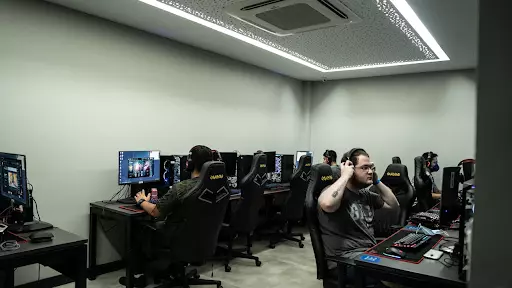
The relationship between iGaming and esports has moved well beyond casual overlap. What began as two separate industries sharing a common audience has evolved into a deep, structural integration that is reshaping how competitive gaming is produced, consumed, and monetised. Operators across the spectrum from traditional sportsbooks adding esports markets to those launching a crypto casino solution aimed at tech-forward gaming audiences are now embedded fixtures in the ecosystem surrounding titles like CS2, League of Legends, and Valorant. The result is a competitive gaming scene that looks and functions very differently from the one that existed five years ago.
From Spectator to Stakeholder
The traditional esports viewer watched for the love of the game the mechanical skill, the team strategy, the drama of a major tournament. That viewer still exists, but a growing segment of the audience now engages with competitive gaming as active stakeholders rather than passive spectators. Esports betting gives viewers a direct financial interest in round-by-round outcomes, map selections, and individual player performances. A fan who has placed a wager on a first blood or a map winner is watching every engagement with a different level of focus than someone who simply wants their favourite team to win.
Live Betting and the Real-Time Viewer Experience
In-play betting has become one of the most significant forces reshaping how esports content is consumed. Titles like CS2 and League of Legends lend themselves naturally to live betting markets because of their structured formats rounds, objectives, and defined win conditions create natural betting intervals throughout a match. Viewers who engage with live markets are effectively running a second analytical layer alongside the broadcast, interpreting momentum shifts and draft decisions through a probabilistic lens. This deepens engagement with the content in ways that traditional viewing alone does not.
The Rise of Skin Betting and Virtual Economies
One dynamic unique to esports is the role of in-game virtual economies in shaping attitudes toward real-money platforms. Games like CS2 have long-established cosmetic item markets where skins carry genuine monetary value and are traded on third-party platforms. This familiarity with virtual assets and fluctuating item values has made the transition to iGaming products feel intuitive for a segment of the gaming audience. Skin betting wagering in-game items rather than currency occupies a legal grey area in many jurisdictions, but its cultural influence on how gamers perceive risk and reward is significant and should not be overlooked.
Responsible Gaming in a Community That Skews Young
The convergence of iGaming and esports carries specific responsibilities that are distinct from those in traditional sports betting. The esports audience skews younger than most sports verticals, and the cultural normalisation of in-game spending loot boxes, battle passes, premium cosmetics can blur the line between entertainment expenditure and gambling behaviour. Regulated operators entering the esports space are required to implement robust age verification, deposit limits, and self-exclusion tools. Players and viewers engaging with any real-money platform connected to gaming content should treat these tools as standard practice, not a last resort.
How iGaming Revenue Is Funding Esports Infrastructure
Beyond the viewer experience, iGaming investment is having a tangible impact on the structural development of competitive gaming. Betting operators and online casino platforms have become significant sponsors of esports tournaments, leagues, and content creators, injecting capital that helps sustain prize pools, production quality, and player salaries at tiers below the very top level. This funding dynamic is not without tension questions around brand association and audience suitability are valid but the financial contribution of iGaming to mid-tier esports infrastructure is increasingly difficult to separate from the health of the scene overall.
What the Next Phase of Competitive Gaming Looks Like
As esports broadcasting continues to mature and major titles develop more sophisticated spectator features, the integration of betting-adjacent products into mainstream viewing experiences will deepen. Predictive challenges, real-time performance markets, and personalised statistical overlays are already being explored by broadcasters and platform developers. The opportunity for competitive gaming is to channel this engagement in ways that serve the audience’s genuine interest in the game first and commercial objectives second. Whether the industry gets that balance right will define the next chapter of esports as a mainstream entertainment category.


Players must be 21 years of age or older or reach the minimum age for gambling in their respective state and located in jurisdictions where online gambling is legal. Please play responsibly. Bet with your head, not over it. If you or someone you know has a gambling problem, and wants help, call or visit: (a) the Council on Compulsive Gambling of New Jersey at 1-800-Gambler or www.800gambler.org; or (b) Gamblers Anonymous at 855-2-CALL-GA or www.gamblersanonymous.org.