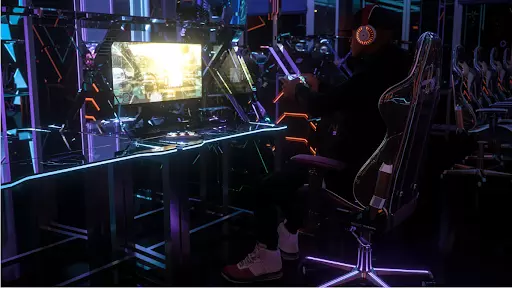
So, lately, there’s been this noticeable push—a kind of shift in how slot games are designed, and it mostly traces back to esports. Developers seem to be paying close attention to what players want, especially people who were basically raised with game consoles in hand: millennials and Gen Z. For them, digital competition isn’t just some passing thing; it’s kind of woven into their idea of fun. Because of that, a lot of today’s slot games carry these flashes of esports style—quick animations, intense sounds, more interactive layers.
Maybe it isn’t just a fleeting phase; it seems closer to a calculated effort to blend together the fast-paced vibe of esports with the accessible, almost casual energy of casino games. If anything, this might be all about pulling in a broader crowd and, at the same time, switching up how online gaming actually feels.
You can almost spot where designers are borrowing tricks from esports. Slots now come loaded with sharp visuals, with lighting effects that make old-school machines look, well, a little tired. Animation in modern slots isn’t just there for show; it’s telling a story, pulling some cues from blockbuster games. Picture celebrations on the screen: bursts of colour, special effects that give you a feeling like you’ve just completed a match in League of Legends or maybe pulled off something big in Counter-Strike. Then there’s the way soundtracks seem to tag along, adjusting in the background depending on whether you’re close to a bonus or hit some special feature.
When a feature does land, you get those layered sounds and musical highs that aren’t so different from, say, the soundscape of an esports match highlight reel. Some reports note that this kind of coordination between sound and sight is a leap beyond what classic slot cabinets could offer—and honestly, the end result sometimes lands much closer to what you’d expect from a polished mobile game than from a casino slot. It’s gotten to the point where the production feels—well, almost surprisingly rich for the genre.
The esports connection runs deeper than visuals. Key mechanics from online slots reflect strategic and competitive frameworks borrowed directly from esports design. On top of all that, you’re seeing leaderboards pop up everywhere, where players aren’t just spinning for themselves but stacking up against everyone else. These leaderboards feed competition, which takes things a step past pure luck. Regular tournaments—some daily, some that stretch out over a week—kind of mimic popular formats that esports fans will probably recognize. You jump in, you start climbing, and you chase after small and big rewards. Some slots even allow for skill-based rounds, not just sitting back and watching the reels, but responding quickly or spotting patterns that sway the outcome a little.
There’s also more of a focus on earning digital awards: badges, unlockables, milestones—rewards you’d typically expect from a competitive gaming environment.If some reports are to be believed, community and progression features have nudged engagement stats upward by about 19% year over year in certain releases. Developers now see these features almost as a must-have, something you pretty much need for newly launched games. The line between online gaming and competitive gaming is definitely getting blurrier, but, well, that seems to be the point.
Tournaments for slots are, in a way, lifting pages from the global esports playbook now. You’ll get these huge competitive rooms where hundreds or even thousands of players join at once—everyone’s tracked in real time, and sometimes there’s even the chance just to watch how it all shakes out while you’re still playing. Suddenly, what used to be a solitary pass-time picks up this unexpected social angle. People watch points shuffle on the leaderboard, some might keep tabs on rivals—maybe even group together, unofficially, to stand a better chance.
The adrenaline rush isn’t just about what you participate in, but about keeping up with the pack, chasing after rare rewards or just that number-one spot. According to some analysts, a significant chunk—about 35%—of slot players say they straight-up prefer games where there’s a chance to compete head-to-head or in multiplayer settings. It hints at this growing blend, where esports fans and gaming regulars are both, possibly, borrowing ideas from each other to keep things fresh and interesting. Not everyone buys fully into the hype, but clearly, the crossover is hard to ignore.
Esports aren’t just influencing surface-level stuff; the bones of slot gameplay are showing clear echoes, too. Cascading reels, where matches pop and symbols get cleared away for new ones, make things feel a lot more lively than just spinning to a set result. It’s reminiscent of the kind of combo strings and payoff loops celebrated in fighting or puzzle games, rather than traditional gaming. Bonus rounds are evolving—some barely resemble the pick-a-random-prize mechanics from the past.
Instead, you’ll sometimes face interactive challenges multiple steps of increasing difficulty, decisions that affect how far you get—much like side missions that gamers expect from esports-driven titles. Leveling up, collecting achievements, racking up “XP”—all these small systems add a sense of progress, a feeling that you’re growing as a player, not just chasing a chance. Data highlighted at EJAW points out that when cascading features and interactive bonuses are folded in, session times for players might bump up by something like 23%, give or take. It probably isn’t just coincidence—there’s a clear appetite for deeper, more involved play here.
But, honestly, as everything gets flashier and even more competitive, there’s a flip side—responsible gaming doesn’t just fade into the background. Tools like session timers, options to step back or see clear summaries of activities—these aren’t just a good idea, they probably feel overdue, especially with all the focus on achievement and gaming streaks. While all these advanced features can make games more engaging, there’s always the need to pay attention to how much time and money is being spent.
Operators are rolling out more reminders, some gentle nudges to take breaks and make decisions with a clear head. It’s easy to get swept up in the excitement when slots start to look and sound like games you’d expect at an esports tournament, but maybe that means it’s even more important to balance the rush with a bit of caution. Entertainment’s the goal, after all—not letting things tip in the wrong direction.


Players must be 21 years of age or older or reach the minimum age for gambling in their respective state and located in jurisdictions where online gambling is legal. Please play responsibly. Bet with your head, not over it. If you or someone you know has a gambling problem, and wants help, call or visit: (a) the Council on Compulsive Gambling of New Jersey at 1-800-Gambler or www.800gambler.org; or (b) Gamblers Anonymous at 855-2-CALL-GA or www.gamblersanonymous.org.