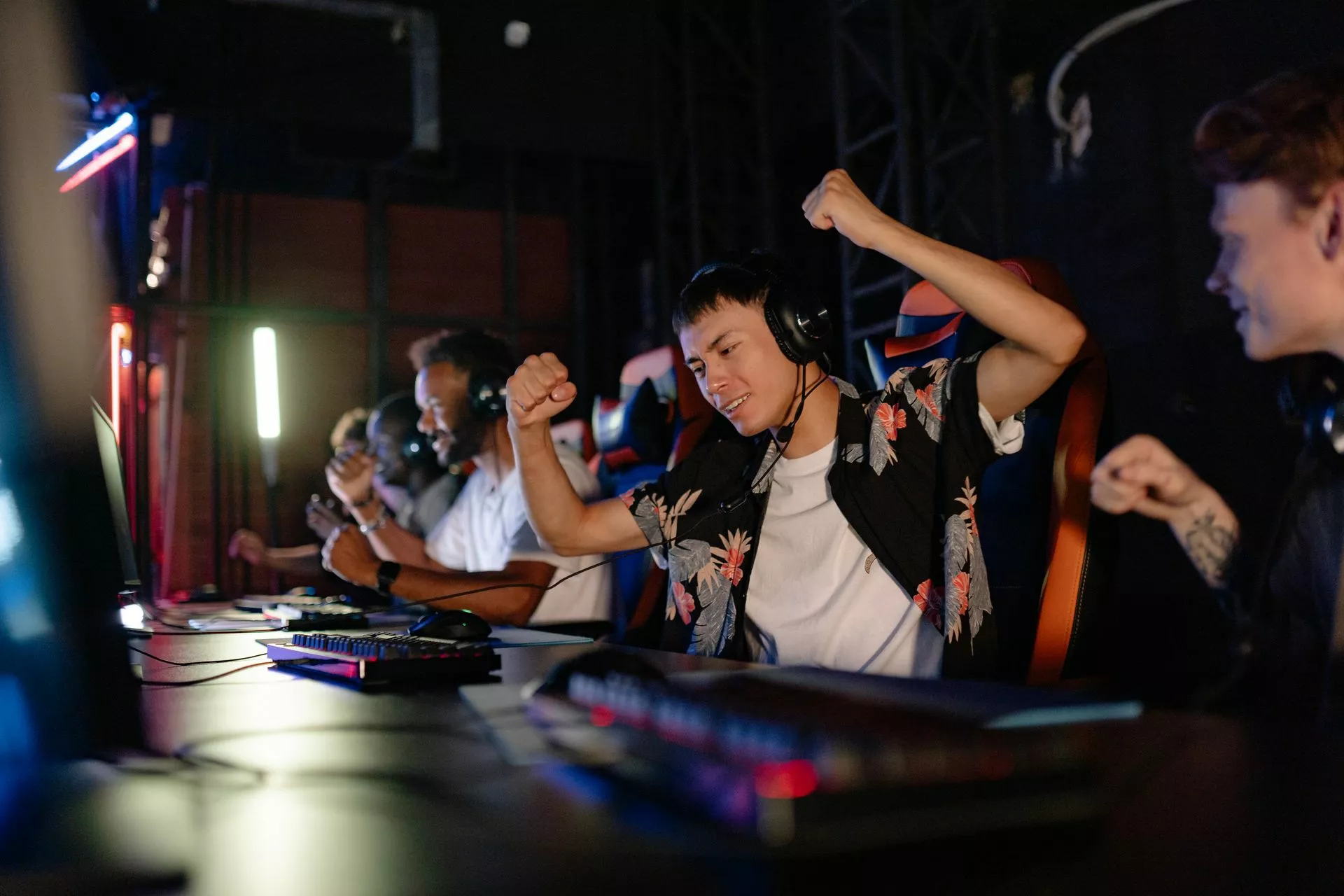
Few esports tournaments have matched the financial heights reached by Dota 2’s The International. In 2021, its prize pool exceeded $40 million, establishing a record that reflected both the game’s competitive popularity and Valve’s unusual approach to tournament funding. Players contributed to the prize pool through in-game purchases, creating a direct financial connection between the community and professional competition.
That model has changed considerably. The International now operates with much smaller prize pools, Valve has retired the Dota Pro Circuit, and third-party tournament organizers have taken on greater responsibility for competitive events. The result is a different financial environment for professional teams, where sponsorships, tournament placements, and long-term operating costs increasingly determine which organizations can remain competitive.
When a Dota 2 tournament finishes, the prize pool is distributed according to placement percentages established by the organizers. Historically, top-heavy distributions have dominated The International, with winning teams receiving a substantial share of the total money available. At TI10 in 2021, Team Spirit collected approximately $18.2 million from the $40 million prize pool, while teams finishing near the bottom received considerably smaller amounts.
These payments are generally handled through organized financial processes after the tournament, rather than being transferred instantly to individual players. Depending on team contracts, prize earnings may be divided between players, coaches, and organizations. Payment schedules and internal distribution arrangements can therefore affect when participants receive their shares.
Similar large prize-pool structures also exist across other areas of gaming, including iGaming, where online casino tournaments can distribute accumulated funds according to rankings or predefined reward tiers. In these settings, the payout process matters because the advertised prize amount and the actual delivery of funds are separate considerations.
Some online gambling platforms specialize in managing withdrawals through different payment methods and processing arrangements. For this reason, the best payout casinos are generally distinguished by consistent payment processing, clearly defined withdrawal conditions, and reliable access to winnings. These factors reflect the broader importance of payout administration whenever substantial prize amounts are distributed through online gaming systems.
The International’s original funding model helped distinguish Dota 2 from other major esports competitions. Valve introduced the tournament in 2011 with a $1.6 million prize pool, already a substantial figure for competitive gaming at the time. The introduction of crowdfunding through the Compendium and later Battle Pass systems allowed the community to contribute directly to subsequent tournaments.
The growth was remarkable, although it was not continuous. Several editions established new records before the prize pool reached its highest point in 2021.
Valve deliberately changed its approach to in-game content and tournament financing, ending the period when annual prize-pool records defined The International’s commercial identity.
For years, the Battle Pass was closely associated with The International’s financial success. Players purchased access to seasonal content, cosmetic rewards, and progression systems, with a portion of eligible sales contributing to the tournament prize pool. This arrangement gave Valve a way to connect its largest competitive event with spending across the wider player community.
However, producing extensive Battle Pass content also required considerable development resources. In 2023, Valve announced that it would shift its attention toward gameplay updates and content accessible to a broader share of Dota 2 players, rather than concentrating so much development activity around one annual release.
The replacement Compendium was more closely focused on the tournament itself, without the same extensive cosmetic reward structure. As a result, it generated substantially less crowdfunding revenue.
Valve’s decision to discontinue the Dota Pro Circuit after the 2023 season represented another major financial change. Introduced in 2017 and subsequently revised, the DPC had provided a structured route toward The International through competitive results, regional leagues and major tournaments.
For professional organizations, that structure offered more than qualification opportunities. Scheduled competitions helped teams plan their seasons, negotiate sponsorship arrangements and estimate potential tournament income. Regional leagues also provided a recurring competitive environment for organizations operating outside the highest international tier.
Removing the DPC created more room for independently organized competitions, but it also transferred greater responsibility for maintaining the professional calendar to third-party organizers. The consequences have been particularly significant for teams without substantial financial reserves. Organizations must evaluate tournament invitations, qualification opportunities, and travel expenses without relying on the same developer-backed seasonal framework.
As Valve reduced its direct involvement in the professional circuit, major third-party events became increasingly important to Dota 2’s competitive economy. Riyadh Masters demonstrated how substantial tournament financing could come from outside the game’s traditional crowdfunding system.
The 2023 Riyadh Masters offered a $15 million prize pool, making it one of the largest Dota 2 tournaments outside The International. Team Spirit won the event, collecting $5 million for first place. The competition showed that large financial rewards remained possible even as The International’s own prize pool declined.
However, large individual events do not necessarily replace the stability of a structured annual circuit. Prize money remains concentrated among successful teams, while participation expenses and qualification uncertainty continue to affect other organizations.
The financial difficulties facing smaller professional teams extend beyond declining prize pools. Operating a competitive Dota 2 organization involves player salaries, coaching staff, travel, accommodation, training facilities, and administrative expenses. These costs can accumulate throughout a season, even when tournament results produce limited income.
Unlike Counter-Strike 2, where certain tournament ecosystems have developed revenue-sharing arrangements involving in-game items, Dota 2 does not offer teams an equivalent established source of organization-specific cosmetic revenue.
Legacy salary expectations also create difficulties when organizations attempt to adjust their budgets to smaller tournament rewards. For tier-two teams, maintaining a professional roster can become financially challenging before they have secured consistent access to major international competitions.
Dota 2’s competitive future is no longer defined primarily by the size of The International’s prize pool. The record-setting years demonstrated how effectively community-funded purchases could support a major esports competition, but they also established financial expectations that were difficult to sustain once Valve changed its approach.
The current structure places greater importance on independent tournament organizers, commercial partnership,s and the ability of professional teams to manage operating expenses across an entire season.
The larger question concerns sustainability rather than another record-breaking prize pool. Dota 2 still supports major international competitions and substantial tournament rewards, but its long-term financial health increasingly depends on how consistently those opportunities reach teams beyond the highest earners.
The International’s $40 million peak remains a defining achievement. Its lasting significance may be how clearly it illustrates the difference between generating exceptional tournament revenue and maintaining a financially stable professional ecosystem.


Players must be 21 years of age or older or reach the minimum age for gambling in their respective state and located in jurisdictions where online gambling is legal. Please play responsibly. Bet with your head, not over it. If you or someone you know has a gambling problem, and wants help, call or visit: (a) the Council on Compulsive Gambling of New Jersey at 1-800-Gambler or www.800gambler.org; or (b) Gamblers Anonymous at 855-2-CALL-GA or www.gamblersanonymous.org.