Open a casino lobby, and you will find two things sitting side by side that look related but are not built the same way at all. Blackjack, baccarat and roulette are table games with fixed rules, fixed odds and the same format they have run for a couple of centuries. Next to them is a newer category called a casino game show that looks like a television program with a host, a set and segment structure.
The contrast is apparent the moment you switch between them. A lobby like
Casiny’s live casino
lists the two in separate sections for a reason: a blackjack table and a show-format game are built to be used in completely different ways, even though both arrive as a live video feed.
The simplest way to separate the two is to ask what you are watching. A table game has no presenter or theme. What you find is a dealer dealing the cards; you place a bet, and the outcome is resolved, or the roulette wheel lands on a number. You get the same experience whether you join for one round or fifty.
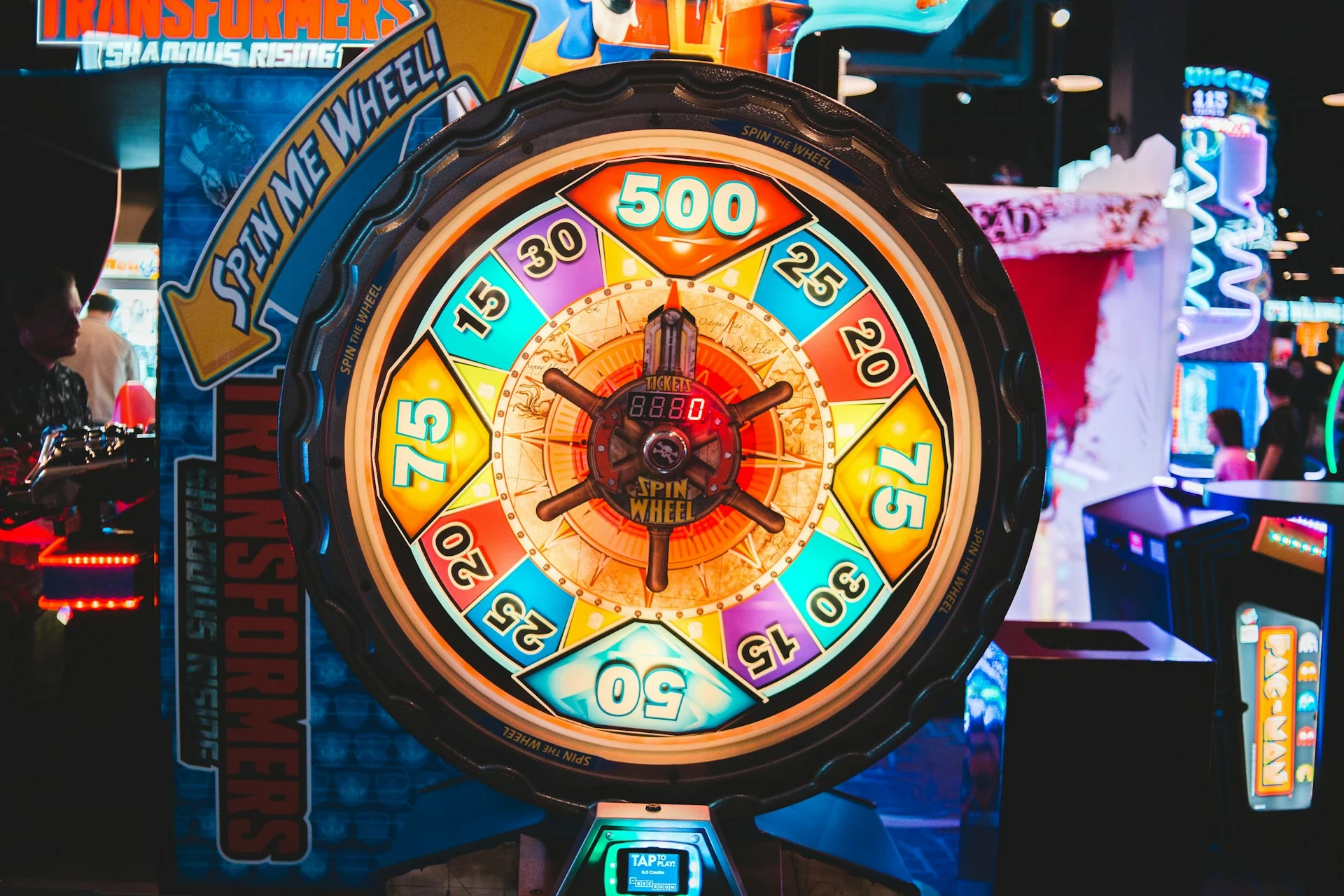
On the other hand, a casino game show is produced the same way as a television program. There is a host who talks throughout, and the set is built around the central mechanic unique to the game show. For instance, some game shows have a giant wheel or a game board, and a running structure across the session instead of a single repeatable action.
The table below shows differences between casino game shows and traditional table games:
| Casino game show | Table games | |
| Format | One continuous show with a fixed structure and a running storyline. | A repeating round with no storyline. |
| Who runs it | A presenter, on camera, narrating and reacting throughout. | A dealer or software program that deals the cards. |
| What decides your bet | A wheel, a random multiplier draw or a game-board mechanic. | Cards, a wheel of fixed numbers or dice with fixed odds. |
| Pace | Runs on the show’s own timeline; you place a bet and watch the show unfold. | Runs hand to hand at a pace set only by the table. |
| Best suited to | Players who enjoy spectacle and want to watch the show unfold. | Players who want a repeatable, skill-adjacent routine. |
A blackjack table has a fixed rule for how a dealer draws, while a baccarat table has a fixed rule for a third card. Online roulette has 37 or 38 pockets that never change. A game show doesn’t have such a fixed structure and rules. Therefore, it is designed around a specific mechanic invented for a particular show. This applies whether it is a spinning wheel with segments such as Wheel of Fortune or a multiplier that climbs through a bonus round.
The rules of a table game exist independent of any studio. Hence, two different platforms can run their own version of blackjack using identical rules. The mechanics of a game show are the studio’s intellectual property. That’s why a game show format cannot be copied by a competing studio without inventing something new underneath it.
A game show usually has the following features:
It is tempting to assume the host is decorative, but the presence of a talking, reacting presenter is what defines a game show. Journalists writing about the appeal of television game shows have consistently pointed to the host as central to why audiences stay engaged and don’t tune out between rounds. According to the Strong National Museum of Play, game show history traces back to the format’s earliest radio broadcasts. A host narrating the action was the entire point of tuning in, decades before television or casinos borrowed the format.
There’s a reason a host creates the pull rather than just filling airtime. Media researchers call the one-sided bond a viewer forms with an on-screen presenter a parasocial relationship, and it changes how close an audience feels to what’s happening on screen. As Mel Stanfill, a professor of digital humanities interviewed by National Geographic, puts it, “people think they really have more of a relationship than they do” with the person on screen. A blackjack dealer administers a game. A game show host performs one, and that performance is doing real psychological work on the audience watching it.
Casino game shows and table games are not competing for the same kind of sessions. A table game rewards players who want a consistent routine they can return to, and in games like blackjack, they can make decisions that will change the outcome.
A game show rewards players who want variety in visual experience, with a presenter carrying the pace of the session for them. The same distinction can be seen in esports, where the match itself provides the rules and completion while hosts, interviews and pre-match segments turn it into a produced viewing experience. The Game Haus’s history of Korea’s APEX Overwatch tournament shows how those production features became part of the event without changing the underlying Overwatch matches.
Casino game shows follow a similar model. The game remains at the centre, but the presenter, visual setting and segment structure shape how the session feels. Casiny’s own live lobby reflects this split directly, running classic tables such as blackjack, baccarat and roulette alongside separate show-style formats, and treating them as genuinely different products rather than variations on the same idea.
Gambling Advisory: Online casino games involve real financial risk, so only wager what you can afford to lose. Treat every gaming session as entertainment and take a pause when it stops being fun.


Players must be 21 years of age or older or reach the minimum age for gambling in their respective state and located in jurisdictions where online gambling is legal. Please play responsibly. Bet with your head, not over it. If you or someone you know has a gambling problem, and wants help, call or visit: (a) the Council on Compulsive Gambling of New Jersey at 1-800-Gambler or www.800gambler.org; or (b) Gamblers Anonymous at 855-2-CALL-GA or www.gamblersanonymous.org.