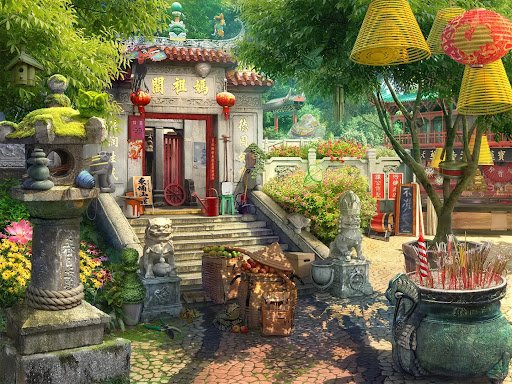
A few years ago, most artists thought of artificial intelligence as a background tool – something for coders, not creators. Now it’s in the center of the creative process. In game art development, AI has become part of how ideas form, not just how they’re executed. Studios use it to test visual directions, generate textures, and even draft early concepts before the first sketch ever hits the screen.
In 2025, a typical art team might open a new project by feeding references into an AI system. Within minutes, it can produce a handful of visual directions – maybe a moody, painterly world with deep shadows, or a stylized neon city glowing under rain. These aren’t final assets, but starting points that guide the look of the game. It’s a faster way to find the right tone, especially for smaller studios balancing creative ambition and limited budgets.
A few years back, AI in games mostly meant smarter enemies or dynamic difficulty. Now it’s working behind the scenes in ways that quietly change how artists and designers build worlds. It helps lay out terrain, fill in foliage, or set the tone of a sky before anyone touches a brush. What used to take days of manual tweaks now happens in a few test runs – and artists can spend their time adjusting the feel instead of redrawing the same rock over and over.
At larger studios, tools trained on motion capture data clean up animation almost instantly. Smaller teams use open frameworks to achieve a similar polish without heavy software budgets. It’s become less about automating the job and more about getting space to think creatively. AI isn’t replacing people; it’s giving them room to breathe, to test an idea faster, to see what works before the deadline hits.

Image source: Kevuru Games portfolio
AI also plays a part in interactive systems. Some projects experiment with adaptive art styles – where visuals evolve based on how players behave. A calm playstyle might make the palette cooler and softer, while aggressive gameplay triggers sharp contrast and quick strokes. This blend of behavior and art shows how AI can make worlds feel more reactive and alive.
Inside a game art studio, the production floor looks more fluid than ever. Artists work side by side with algorithms that predict color harmony, adjust lighting setups, or fill in missing details. AI-trained texture tools like Substance 3D Sampler or scenario-based generators can now create realistic surfaces – cracked stone, wet asphalt, brushed metal – that once took hours of manual painting.
The same shift appears in animation. Instead of manually polishing every movement, artists can rely on AI-assisted motion interpolation to smooth transitions or enhance realism. These systems analyze existing game animation data, learning from movement patterns to create new, believable sequences.
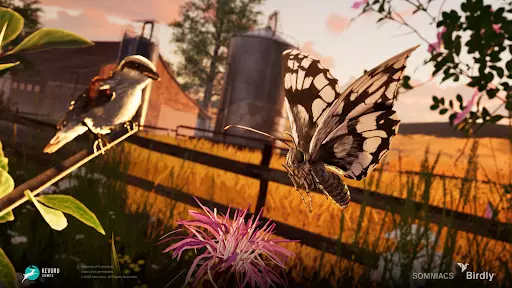
Image source: Kevuru Games portfolio
Yet, the best results still come from collaboration. Artists tweak, override, and reshape AI outputs to fit their creative direction. It’s a partnership that speeds up routine work but still depends on a human sense of taste.
AI and algorithmic tools are now part of every stage of game art development – from concept to polish. They help with speed, variety, and technical precision. But the emotional core still belongs to artists. The human touch decides when to stop, when to simplify, when to make something imperfect on purpose.
As AI in gaming continues to grow, success won’t depend on who automates the most, but on who uses it with intent. The studios that thrive will be the ones treating AI not as a shortcut, but as another creative voice – one that listens, adapts, and gives artists more room to dream.


Players must be 21 years of age or older or reach the minimum age for gambling in their respective state and located in jurisdictions where online gambling is legal. Please play responsibly. Bet with your head, not over it. If you or someone you know has a gambling problem, and wants help, call or visit: (a) the Council on Compulsive Gambling of New Jersey at 1-800-Gambler or www.800gambler.org; or (b) Gamblers Anonymous at 855-2-CALL-GA or www.gamblersanonymous.org.