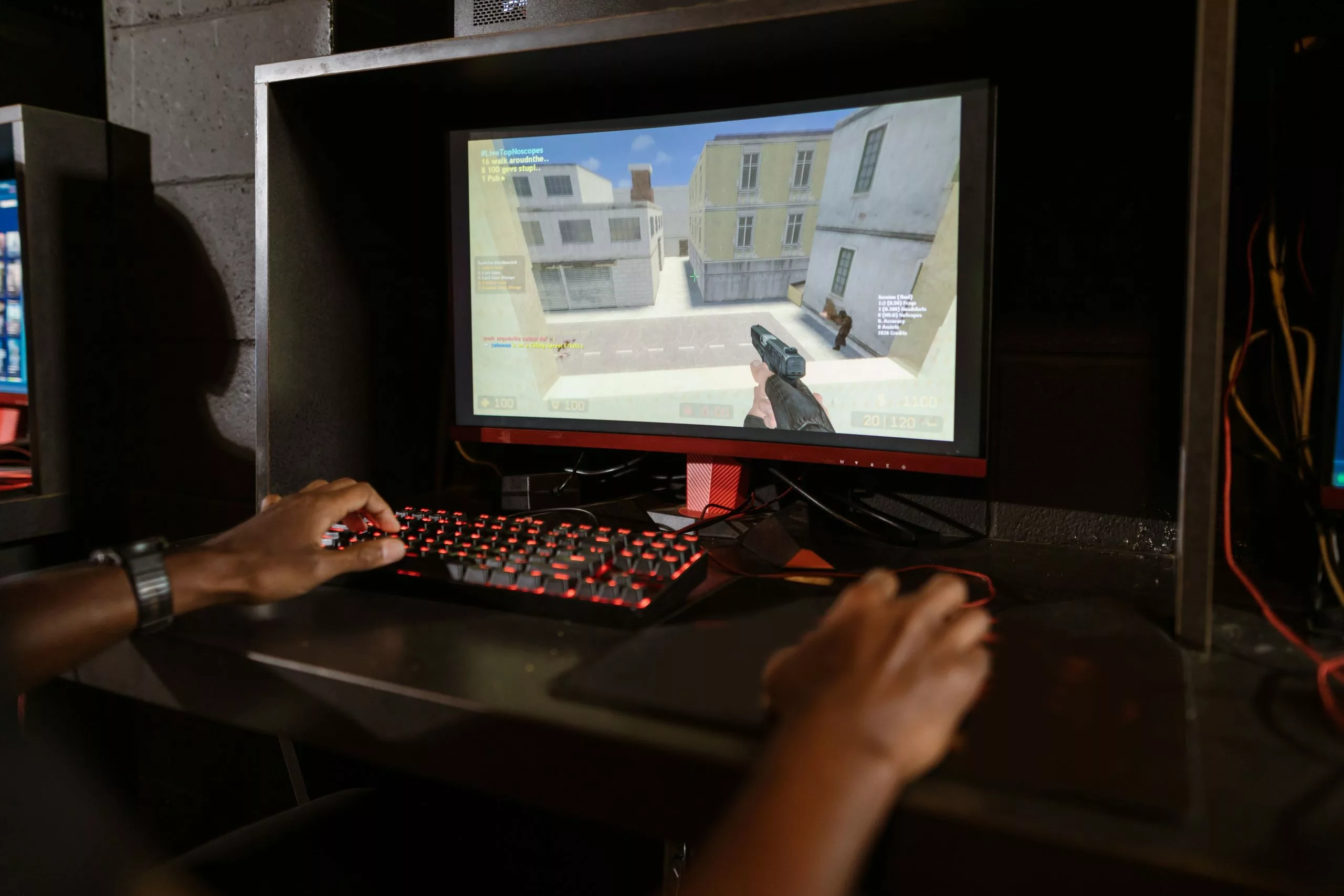
Counter-Strike 2 looks simple if you only watch the kill feed, then wildly layered once you understand what’s happening. Five players attack, five defend, someone gets deleted through smoke, the caster loses their mind and chat pretends it knew the clutch was coming all along.
Betting on CS2 is very much similar. The basic markets are easy to understand, but the better read comes from knowing how teams win maps, how vetoes work, whether recent form means anything and whether a roster change has helped or created chaos.
A match isn’t only about sharper aimers. Map comfort, economy control, pistol rounds, mid-round calling, CT setups and late-round decision-making all shape the result. Once you start watching those details, the odds stop looking like random numbers and begin to look like a market opinion you can question.
The match-winner market is the simplest place to begin. You’re picking which team wins the whole match. In a best-of-one, one map decides it. In a best-of-three, a team usually needs two maps. In a best-of-five final, stamina, map depth and pressure get more time to show.
Rankings help, but Counter-Strike is rude about simple logic. A top-ranked team can struggle on a weak map while a lower-ranked team can look dangerous if the veto lands well. A roster with one stand-in can still win if the roles stay clean. Another roster can have five big names and somehow look like they just met the team in warm-up.
Odds reflect the market’s view of probability. A heavy favorite usually has shorter odds, while the underdog has a bigger potential return. For beginners, match-winner betting is clean, but it still needs context. In CS2, “better team” and “better spot today” aren’t always the same thing.
Map-winner markets are where CS2 starts getting properly interesting. Instead of backing a team to win the whole series, you’re looking at who wins a specific map. That means the veto matters.
In a best-of-three, each team usually bans one map, picks one map, then more bans decide the decider. A team’s own pick should be one of its stronger maps, but “stronger” doesn’t always mean safe.
A team may have a high win rate on Mirage, but who did it beat there? Were those wins against strong opposition, or did they farm weaker teams in qualifiers? Has the team played the map recently, or is the sample old? Did a roster move change who anchors B, who calls mid-rounds or who takes opening fights?
Some teams have clear identities. They may love structured defaults on Ancient, fast pressure on Anubis or heavy mid control on Mirage. Others look good on paper but lose too many late rounds once utility is gone and everyone starts dry-peeking like it’s deathmatch.
Handicap markets let you bet around the margin rather than only the winner. In CS2, that might mean a map handicap or a series handicap. A team could be given a round advantage or disadvantage on a map, or a map advantage in a series market.
If a favorite is expected to win comfortably, the handicap may ask whether it can cover the spread. An underdog with a positive handicap can still support a winning bet if it loses narrowly, depending on the line.
Total-round markets focus on how long a map runs. A close map naturally leans toward more rounds. A one-sided stomp leans under. CS2’s MR12 format changed the feel of totals compared with the old longer halves, so beginners should pay attention to the scoring structure when reading lines.
For anyone browsing CS2 esports betting markets, these extra markets can help separate a simple winner pick from a more specific view of how the match may play out. Counter-Strike betting sections will normally sit inside a wider sportsbook setup, where esports markets appear alongside other sports and casino options, most of which are supported by crypto payment methods.
Live betting can be tempting because CS2 moves quickly. Prices change after pistol rounds, anti-ecos, clutches, timeouts, side switches and economy swings. That speed can be useful if you understand what you’re seeing, but it can also punish random clicking.
A 4-0 start doesn’t always mean the map is cooked. If a team wins pistol and the following conversions, the score can look scary before the first real gun round settles. A strong buy round from the other side may change the whole feeling. A team losing early gun rounds while saving badly, burning timeouts and losing map control may be in real trouble.
Side context matters too. Some maps or team styles are more CT-friendly. A team down at halftime may still be fine if it’s moving onto its stronger side. Another team may lead narrowly but have wasted too many chances on the side where it needed a bigger cushion.
Live betting works best when you’re watching the match, not staring at numbers while pretending the scoreboard tells the whole truth. Look at utility usage, opening duels, money, timeout timing and whether the IGL seems to have answers.
A team may be on a winning run because it beat weaker opposition, while another may have lost three in a row against elite teams while still looking competitive. The scoreline alone can be sneaky.
Map pools matter more than ever, as a strong overall team can still have one or two shaky maps. If the opponent can force the series into those areas, the match becomes more interesting. Look at recent map win rates, opponent quality and whether the team has played those maps with the current roster.
A new AWPer, stand-in rifler, IGL swap or role change can affect everything from opening duels to late-round calling. Sometimes a roster move gives a team fresh energy. Sometimes it turns the T side into five people silently asking, “Wait, who’s throwing the flash?”
Counter-Strike rewards those who pay attention to details. Start with match-winner markets, learn the map pool, respect the veto, understand handicaps and totals, then approach live betting with a clear head.
This is intended for 18+ only. Esports betting should be treated as paid entertainment, not a way to guarantee income. Set limits, understand the markets you use and don’t bet more than you can afford to lose.


Players must be 21 years of age or older or reach the minimum age for gambling in their respective state and located in jurisdictions where online gambling is legal. Please play responsibly. Bet with your head, not over it. If you or someone you know has a gambling problem, and wants help, call or visit: (a) the Council on Compulsive Gambling of New Jersey at 1-800-Gambler or www.800gambler.org; or (b) Gamblers Anonymous at 855-2-CALL-GA or www.gamblersanonymous.org.