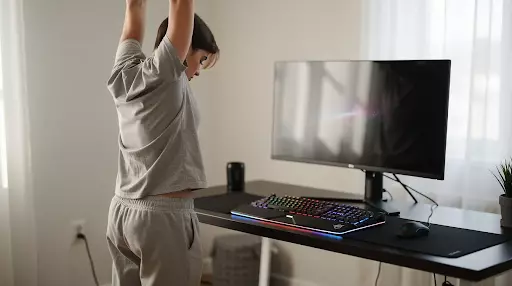
Between work, personal commitments, and everyday responsibilities, many people fall into the habit of prioritizing what needs to get done while putting their own need for rest on hold. Because productivity is frequently associated with success, individuals overlook the importance of rest and treat it as something they can postpone until everything else is finished.
Instead of viewing it as a sign of laziness or a lack of ambition, think of rest as a necessary part of maintaining your health. That said, there’s still the challenge of recognizing when you need more rest before exhaustion begins to interfere with your life. The effects of exhaustion do not always appear immediately, but, for better or worse, changes in your mood and daily habits can reveal when you need more time to recover. Learning to recognize these signals can help you make changes before you reach a point of complete burnout.
Here are some signs that you may need more time to rest and recharge:
One sign that you may need more time to rest is noticing that activities you once enjoyed no longer feel as appealing. When your energy is constantly depleted, even hobbies and social activities can start to feel like extra tasks on your already full schedule. Instead of looking forward to your usual interests, you may find yourself avoiding them because they require more time or mental energy than you currently have available.
During these periods, it can help to engage in simple activities that provide relaxation without demanding too much from you. For example, you might listen to podcasts while taking a walk or completing simple tasks around the house. These audio shows can offer entertainment or a chance to learn something new without requiring the same level of attention and effort as more demanding activities. Similarly, some people enjoy casual entertainment options. For example, you may explore JILI games on online casino platforms as a low-pressure way to unwind and enjoy a few moments of leisure.
Your emotional state often reflects how much energy you have available to handle challenges. When you feel rested, you usually have more patience and flexibility when dealing with stressful situations. However, when exhaustion builds up, even small problems can feel overwhelming, and your emotional reactions may become stronger than usual.
You may find yourself becoming irritated over minor inconveniences or feeling more sensitive to comments. You might also notice that normal responsibilities feel heavier because your emotional reserves are already depleted. These changes do not necessarily mean that your circumstances have become more difficult. Instead, they may indicate that you need time to restore your emotional energy.
Rest allows your mind to regain balance and process stress more effectively. When you prioritize recovery, you often become better equipped to respond calmly and handle challenges with greater patience.
Mental exhaustion can make it difficult to concentrate and complete tasks efficiently. When your brain constantly handles information and responsibilities without enough downtime, it can become harder to maintain focus and mental clarity.
You may experience frequent forgetfulness or a feeling that your thoughts are moving slower than usual. Tasks that once felt simple may require more effort, and you may find yourself rereading information or struggling to stay engaged. These experiences can be frustrating, especially when you expect yourself to perform at the same level despite feeling mentally drained. However, these signs are often your mind’s way of signaling that it needs time to slow down and recover.
Your brain needs moments of rest to process information and maintain creativity. Short quiet breaks and periods away from constant stimulation can help improve focus and restore your ability to think clearly. Giving yourself space to recharge can also make it easier to approach tasks with renewed attention and mental clarity.
Feeling tired after a long day is normal, but consistently feeling exhausted despite getting enough sleep may indicate that your body needs more recovery time. Sleep is essential for restoring energy, yet rest involves more than simply spending hours in bed. Stress, emotional strain, and constant mental activity can prevent you from feeling fully refreshed, even when you maintain a regular sleep schedule.
Although additional sleep may help, you may also need periods of relaxation and mindful, meaningful breaks that allow your mind and body to recover.
Your body often communicates the need for rest through physical symptoms. While occasional stress is a normal part of life, ongoing stress without adequate recovery can affect how your body functions and how you feel each day.
You may notice physical signs such as frequent headaches, muscle tension, low energy, changes in appetite, or getting sick more often than usual. These symptoms can appear when your body remains in a prolonged state of stress and does not receive enough time to recover. Although these signs can have many causes, they are worth paying attention to when they occur alongside ongoing exhaustion.
Listening to your body can help you recognize when you need to make adjustments. Rest, relaxation, and healthier routines can support your physical well-being and help you manage the effects of daily stress more effectively.
When you feel exhausted, it can be tempting to search for immediate ways to increase your energy. Many people rely on extra caffeine, sugary foods, or other distractions to help them push through demanding days. While these solutions may provide temporary relief, they do not address the underlying need for rest.
A pattern of depending on quick energy sources may indicate that your body is struggling to keep up with your current pace. You may feel like you are constantly trying to recover enough energy to complete your responsibilities, only to repeat the same cycle the next day.
Long-term energy comes from proper recovery, not just temporary boosts. Giving yourself time to rest helps your body restore its natural energy levels and reduces the need to constantly rely on quick and often-harmful fixes.
Listen to the Signals Your Body and Mind Are Sending
Rest is essential for maintaining your physical health, emotional balance, and mental clarity. When your body and mind show signs of exhaustion, take them as reminders to slow down and make time for recovery.
Permitting yourself to rest can help you regain energy and return to your responsibilities with greater resilience.


Players must be 21 years of age or older or reach the minimum age for gambling in their respective state and located in jurisdictions where online gambling is legal. Please play responsibly. Bet with your head, not over it. If you or someone you know has a gambling problem, and wants help, call or visit: (a) the Council on Compulsive Gambling of New Jersey at 1-800-Gambler or www.800gambler.org; or (b) Gamblers Anonymous at 855-2-CALL-GA or www.gamblersanonymous.org.